
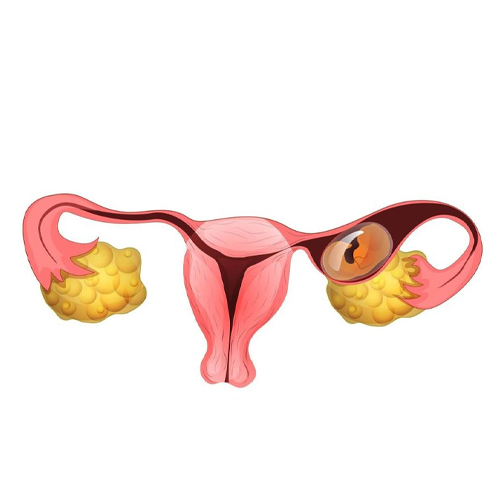
An ectopic pregnancy occurs when a fertilized egg implants and grows outside the uterus, most commonly in the fallopian tubes. In rare cases, it can also occur in the ovary, cervix, or abdominal cavity. Since these areas are not designed to support a growing pregnancy, it can become a serious health risk if not treated promptly.
Why Is Ectopic Pregnancy Dangerous?
In a healthy pregnancy, the fertilized egg travels to the uterus and implants there. In an ectopic pregnancy, the egg implants in a location that cannot support its growth. If left untreated, it can cause internal bleeding, damage to reproductive organs, and may become life-threatening for the mother.
Common Symptoms
Symptoms usually appear between 6 to 8 weeks of pregnancy. These may include:
-
Sharp or stabbing pain in the lower abdomen, often on one side
-
Vaginal bleeding or spotting
-
Pain in the shoulder (if internal bleeding occurs)
-
Dizziness, fainting, or weakness (a sign of internal bleeding)
If you experience any of these symptoms, seek immediate medical attention.
Causes and Risk Factors
Certain conditions may increase the risk of ectopic pregnancy, such as:
-
Previous ectopic pregnancy
-
Pelvic inflammatory disease (PID)
-
Endometriosis
-
History of fallopian tube surgery
-
Fertility treatments (e.g., IVF)
-
Smoking
Diagnosis
Doctors may use the following methods to diagnose an ectopic pregnancy:
-
Pelvic examination
-
Transvaginal ultrasound
-
Blood tests to measure hCG (pregnancy hormone) levels
Treatment Options
An ectopic pregnancy cannot continue and must be treated to prevent complications. Treatment options include:
-
Medication (Methotrexate): Helps stop the growth of the pregnancy tissue and allows the body to absorb it naturally.
-
Laparoscopic Surgery: Minimally invasive surgery to remove the ectopic pregnancy.
-
Emergency Surgery: Needed in case of rupture and internal bleeding.
Emotional Support and Future Pregnancy
An ectopic pregnancy can be emotionally distressing. It is important to seek emotional support from loved ones or a counselor.
In most cases, women can have a healthy pregnancy in the future. Your doctor will guide you on when it is safe to try again.
Book Appointment