
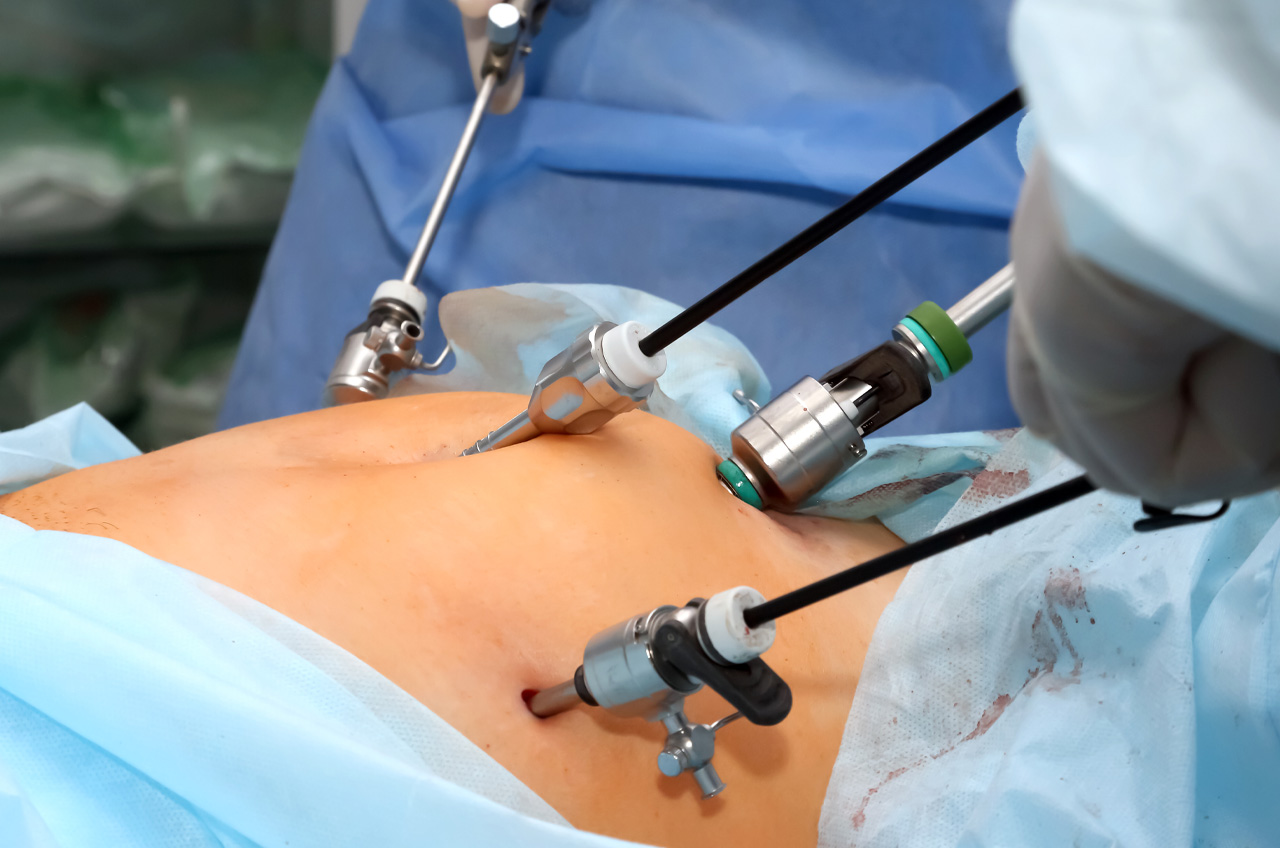
A Laparoscopic Hysterectomy is a minimally invasive surgical procedure to remove the uterus using small incisions and a laparoscope (a thin tube with a camera and light). It is a modern alternative to traditional open surgery, offering faster recovery and less discomfort.
This procedure may involve removal of:
-
Only the uterus (total hysterectomy)
-
The uterus and cervix (total laparoscopic hysterectomy)
-
The uterus, cervix, and ovaries/fallopian tubes (depending on the patient’s condition)
When is Laparoscopic Hysterectomy Recommended?
Doctors may suggest a laparoscopic hysterectomy for:
-
Uterine fibroids (non-cancerous growths)
-
Heavy or abnormal uterine bleeding not responding to medication
-
Endometriosis
-
Adenomyosis
-
Chronic pelvic pain
-
Uterine prolapse
-
Cancer or precancerous conditions (in some cases)
-
Pelvic inflammatory disease (PID) with complications
Benefits of Laparoscopic Hysterectomy
Compared to traditional open surgery, the laparoscopic approach offers many advantages:
-
Smaller incisions
-
Less pain and blood loss
-
Shorter hospital stay
-
Faster recovery
-
Minimal scarring
-
Lower risk of infection
Most patients can resume light daily activities within 7–10 days.
How is the Procedure Performed?
-
The surgery is done under general anesthesia
-
Small incisions (usually 3 to 4) are made in the abdomen
-
A laparoscope and surgical instruments are inserted
-
The uterus is carefully detached and removed, sometimes through the vagina or in small pieces
-
The incisions are closed with sutures
The procedure typically takes 1 to 2 hours, depending on the complexity.
Recovery and Aftercare
-
Hospital stay: usually 24–48 hours
-
Light activities can be resumed within a week
-
Full recovery may take 2 to 4 weeks
-
Avoid lifting heavy objects and sexual activity for a few weeks (as advised by the doctor)
-
Follow-up visits are essential to monitor healing
Risks and Complications
Though laparoscopic hysterectomy is generally safe, like any surgery, it carries some risks:
-
Bleeding
-
Infection
-
Injury to nearby organs (bladder, bowel, etc.)
-
Reaction to anesthesia
-
Blood clots (rare)
Choosing an experienced gynecologic surgeon reduces the risk of complications significantly.
Book Appointment