
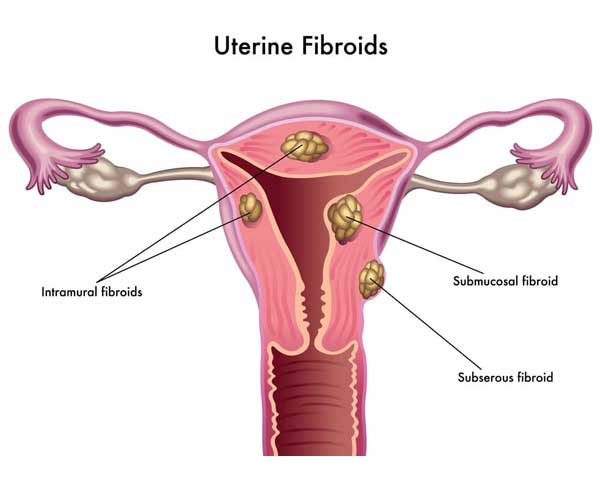
Fibroids, also known as uterine fibroids or leiomyomas, are non-cancerous (benign) growths that develop in or around the uterus. They are made of muscle and fibrous tissue and can vary greatly in size — from as small as a seed to as large as a melon.
Fibroids are common, especially in women between the ages of 30 and 50, and often develop during the reproductive years.
Types of Fibroids
Fibroids are classified based on their location in the uterus:
-
Intramural fibroids – grow within the muscular wall of the uterus
-
Submucosal fibroids – grow into the inner cavity of the uterus
-
Subserosal fibroids – grow on the outer wall of the uterus
-
Pedunculated fibroids – attached to the uterus by a stalk
Common Symptoms
Many women with fibroids experience no symptoms, but when symptoms do occur, they may include:
-
Heavy or prolonged menstrual bleeding
-
Pelvic pain or pressure
-
Frequent urination or difficulty emptying the bladder
-
Constipation
-
Pain during intercourse
-
Lower back pain
-
Enlarged abdomen or a feeling of fullness
In some cases, fibroids can interfere with fertility or pregnancy.
Causes and Risk Factors
The exact cause of fibroids is unknown, but several factors may increase the risk:
-
Hormonal imbalances (especially estrogen and progesterone)
-
Family history of fibroids
-
Obesity
-
Early onset of menstruation
-
Vitamin D deficiency
-
Diet high in red meat and low in green vegetables
Diagnosis
Fibroids are often detected during a routine pelvic exam. To confirm the diagnosis and assess size and location, the doctor may recommend:
-
Ultrasound (abdominal or transvaginal)
-
MRI (for detailed imaging)
-
Hysteroscopy (to view the inside of the uterus)
-
Sonohysterography (ultrasound with saline infusion)
Treatment Options
Treatment depends on the size, number, symptoms, and whether the woman wishes to have children. Options include:
Non-Surgical Treatments:
-
Medications to regulate hormones (e.g., birth control pills, GnRH agonists)
-
Iron supplements for anemia caused by heavy bleeding
-
Pain relievers (e.g., ibuprofen)
Minimally Invasive Procedures:
-
Uterine Fibroid Embolization (UFE): Shrinks fibroids by cutting off their blood supply
-
MRI-guided focused ultrasound surgery (FUS)
Surgical Treatments:
-
Myomectomy – removal of fibroids while preserving the uterus (good for women who want to conceive)
-
Hysterectomy – complete removal of the uterus (definitive treatment, not suitable for women who want to get pregnant)
When to See a Doctor
You should consult a gynecologist if you experience:
-
Heavy or painful periods
-
Difficulty conceiving
-
A noticeable pelvic mass
-
Symptoms affecting your daily life
Book Appointment