
Menopause is a natural biological process that marks the end of a woman’s menstrual cycles. It is diagnosed after 12 consecutive months without a period, typically occurring between the ages of 45 and 55. However, it can happen earlier or later depending on genetics, health conditions, or medical treatments.
While menopause is a natural part of aging, the hormonal changes that come with it can affect both physical and emotional health.
What Causes Menopause?
Menopause occurs as the ovaries gradually produce less estrogen and progesterone, two key female reproductive hormones. As hormone levels drop, ovulation stops, and menstrual periods become less regular until they eventually stop altogether.
Menopause can also be triggered by:
-
Surgical removal of ovaries (oophorectomy)
-
Chemotherapy or radiation treatment
-
Primary ovarian insufficiency (early menopause before age 40)
Common Symptoms of Menopause
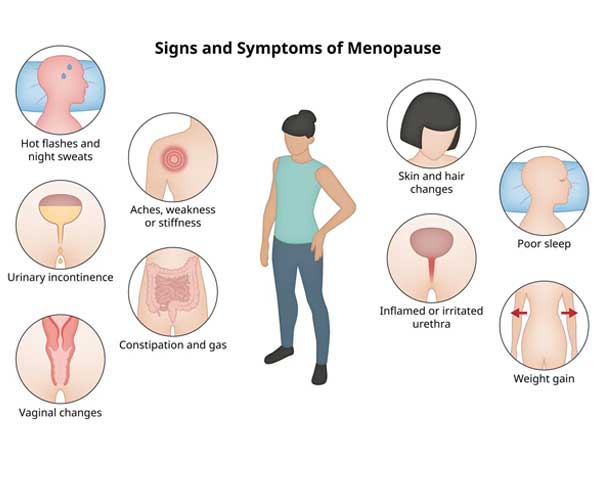
Symptoms can vary widely from woman to woman, and may begin during the transition phase known as perimenopause. Common symptoms include:
-
Hot flashes and night sweats
-
Irregular periods
-
Mood swings, irritability, or depression
-
Sleep disturbances or insomnia
-
Vaginal dryness and discomfort during intercourse
-
Decreased libido (sex drive)
-
Weight gain, especially around the abdomen
-
Thinning hair or dry skin
-
Difficulty concentrating or memory lapses
How Is Menopause Diagnosed?
Menopause is usually diagnosed based on symptoms and medical history. Blood tests may be done to measure levels of:
-
Follicle-stimulating hormone (FSH)
-
Estradiol (a type of estrogen)
-
Thyroid hormones (to rule out other conditions)
Managing Menopause
Although menopause is not a medical condition that needs to be "cured," its symptoms can be managed effectively. Treatment options include:
-
Lifestyle changes: Regular exercise, a healthy diet, and stress management can ease symptoms.
-
Hormone Replacement Therapy (HRT): Helps balance hormone levels, especially for hot flashes and bone health.
-
Non-hormonal medications: Useful for mood swings, hot flashes, or sleep issues.
-
Vaginal estrogen treatments: Creams, tablets, or rings for dryness or discomfort.
-
Calcium and Vitamin D supplements: To prevent bone loss.
Always consult a doctor before starting any treatment.
Life After Menopause
Menopause marks a new phase in life, not the end of vitality or health. Many women feel more confident, focused, and free after menopause. With proper care and attention to overall well-being, it's entirely possible to lead a healthy and fulfilling life during and after this transition.
Book Appointment