
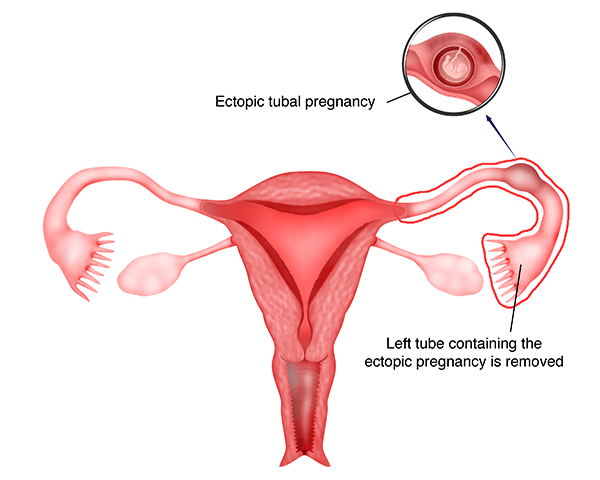
An ectopic pregnancy occurs when a fertilized egg implants outside the uterus, most commonly in the fallopian tube. This condition is not viable for the baby and can be dangerous for the mother if left untreated, as it may cause internal bleeding.
Laparoscopic surgery is a minimally invasive procedure used to treat ectopic pregnancy. It involves making small incisions in the abdomen and using a camera (laparoscope) and fine surgical instruments to remove the ectopic tissue while preserving as much of the reproductive organs as possible.
When Laparoscopic Surgery is Recommended
-
Confirmed ectopic pregnancy through ultrasound and blood tests
-
No signs of rupture or only minimal internal bleeding
-
Patient is stable and fit for surgery
-
Medical (non-surgical) treatment is not suitable or has failed
Procedure Steps
-
Anesthesia is administered for comfort and safety.
-
A laparoscope (thin tube with camera) is inserted through a small incision.
-
The surgeon identifies and removes the ectopic pregnancy.
-
The fallopian tube may be repaired (salpingostomy) or removed (salpingectomy) depending on the damage.
Benefits of Laparoscopic Surgery
-
Smaller incisions and minimal scarring
-
Less pain after surgery
-
Shorter hospital stay and faster recovery
-
Reduced risk of complications compared to open surgery
Recovery and Aftercare
-
Rest for a few days and avoid heavy activities for 1–2 weeks
-
Monitor for symptoms like fever, severe pain, or heavy bleeding
-
Follow-up visit to assess healing and discuss future pregnancy planning
-
Emotional support and counseling, as ectopic pregnancy can be a difficult experience
Book Appointment